ตัวต้านทาน (Resistor)
Resistor
รหัสสี 4 แถบ / 5 แถบ • EIA96 • วงจรอนุกรม/ขนาน
4-band / 5-band color code • EIA96 • Series/Parallel circuits
- บอกหน้าที่และชนิดของตัวต้านทานได้
- อ่านค่าความต้านทานจากรหัสสี 4 แถบ และ 5 แถบ ได้
- บอกค่าความคลาดเคลื่อน (Tolerance) จากแถบสีได้
- คำนวณค่าความต้านทานรวมแบบอนุกรมและขนานได้
- State the function and types of resistors
- Read resistance values from 4-band and 5-band color codes
- Determine tolerance from the color bands
- Calculate total resistance in series and parallel circuits
- จำกัดปริมาณกระแสไฟฟ้าในวงจร
- แบ่งแรงดันไฟฟ้า (Voltage Divider)
- ปรับค่าสัญญาณในวงจร
- หน่วย: โอห์ม (Ω)
- Limit the amount of current in a circuit
- Divide voltage (Voltage Divider)
- Adjust signal levels in a circuit
- Unit: Ohm (Ω)
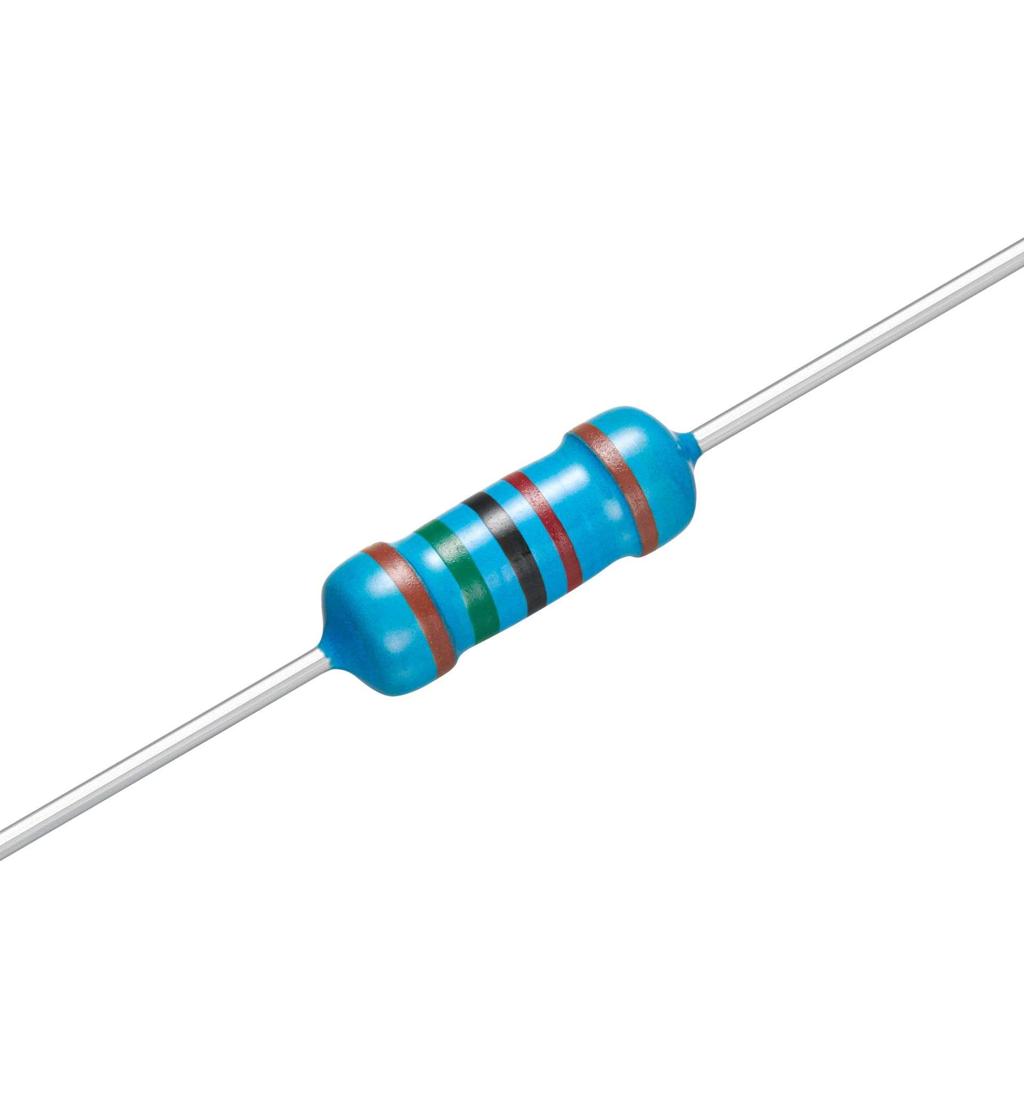
🔧 Fixed Resistor — ค่าคงที่
🔧 Fixed Resistor
ชนิดที่พบมากที่สุด ค่าความต้านทานไม่เปลี่ยนแปลงตามสภาพแวดล้อมใดๆ
Most common type. Resistance value does not change with any external condition.
ใช้งาน: จำกัดกระแส LED, voltage divider, pull-up/pull-down ใน Arduino Behavior: None — fixed value throughout its lifetime
Used in: LED current limiting, voltage dividers, pull-up/pull-down resistors
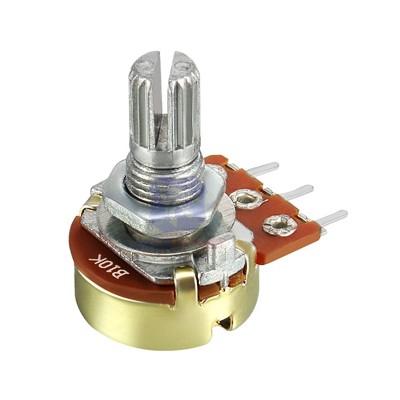
🎛 Potentiometer — แบ่งแรงดัน (3 ขา)
🎛 Potentiometer — Voltage Divider (3-terminal)
ต่อ 3 ขา (ปลาย 2 ข้าง + ตัวปัด/wiper) หมุนแกนเพื่อแบ่งแรงดัน — เอา output ที่ขากลางเป็น "แรงดัน" ที่ปรับได้
Uses 3 terminals (two ends + a wiper). Rotating the shaft divides the voltage — the wiper outputs an adjustable voltage.
ใช้งาน: ปุ่มปรับเสียง (volume), ปรับความสว่าง, ตั้งค่า bias วงจรขยาย Behavior: Move the wiper → the voltage ratio at the middle pin changes (0 → Vin)
Used in: Volume knobs, brightness control, amplifier bias adjustment
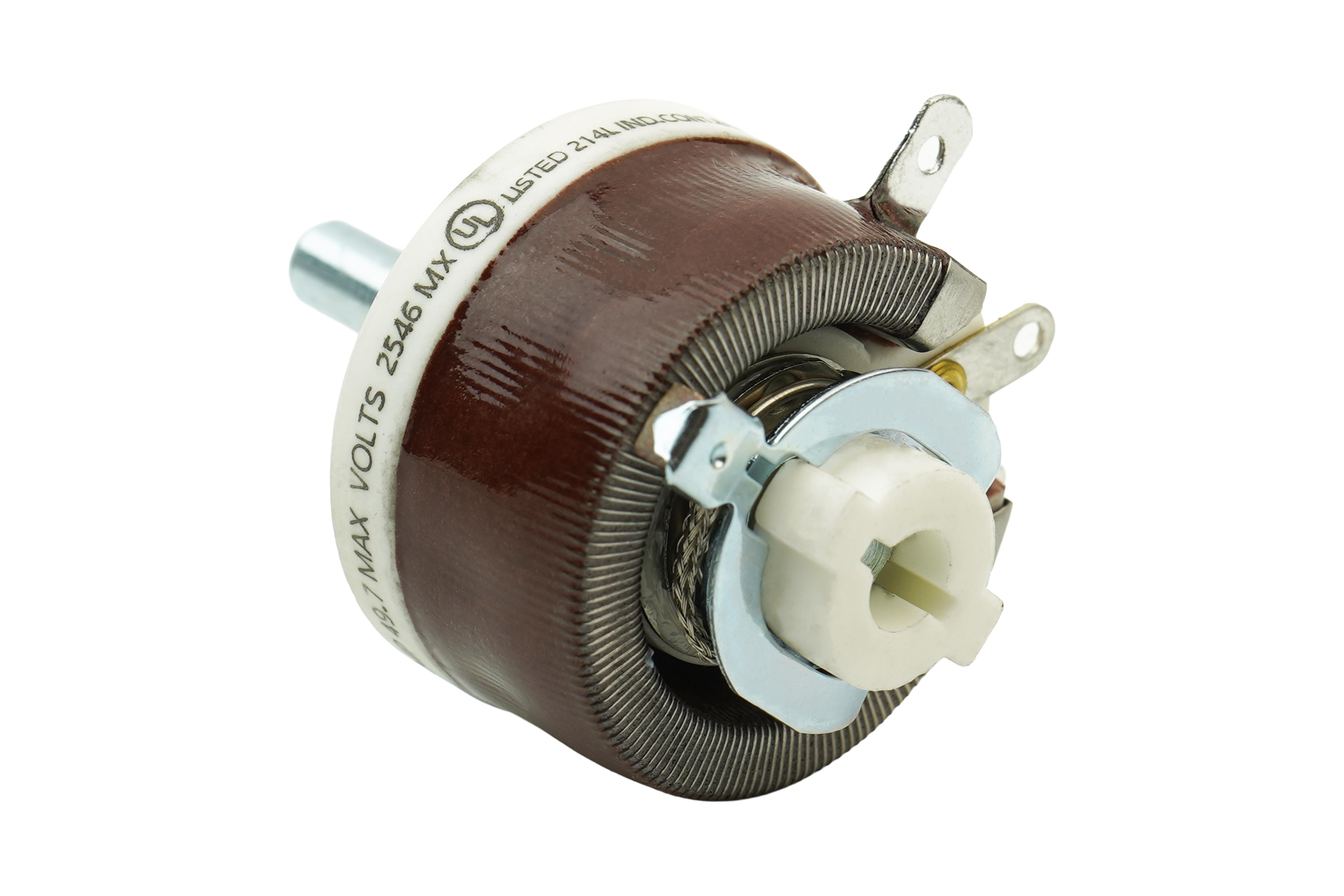
🔩 Rheostat — ปรับกระแส (2 ขา)
🔩 Rheostat — Current Control (2-terminal)
ต่อ 2 ขา (ปลาย 1 ข้าง + ตัวปัด) ทำหน้าที่เป็นความต้านทานปรับได้ — ใช้ปรับ "กระแส" ในวงจร
Uses 2 terminals (one end + the wiper). Acts as an adjustable resistance to control the current in a circuit.
ใช้งาน: หรี่ไฟ, ปรับความเร็วมอเตอร์/พัดลม, จำกัดกระแส Note: A potentiometer wired with just 2 terminals becomes a rheostat — high-power ones are wirewound
Used in: Light dimming, motor/fan speed control, current limiting
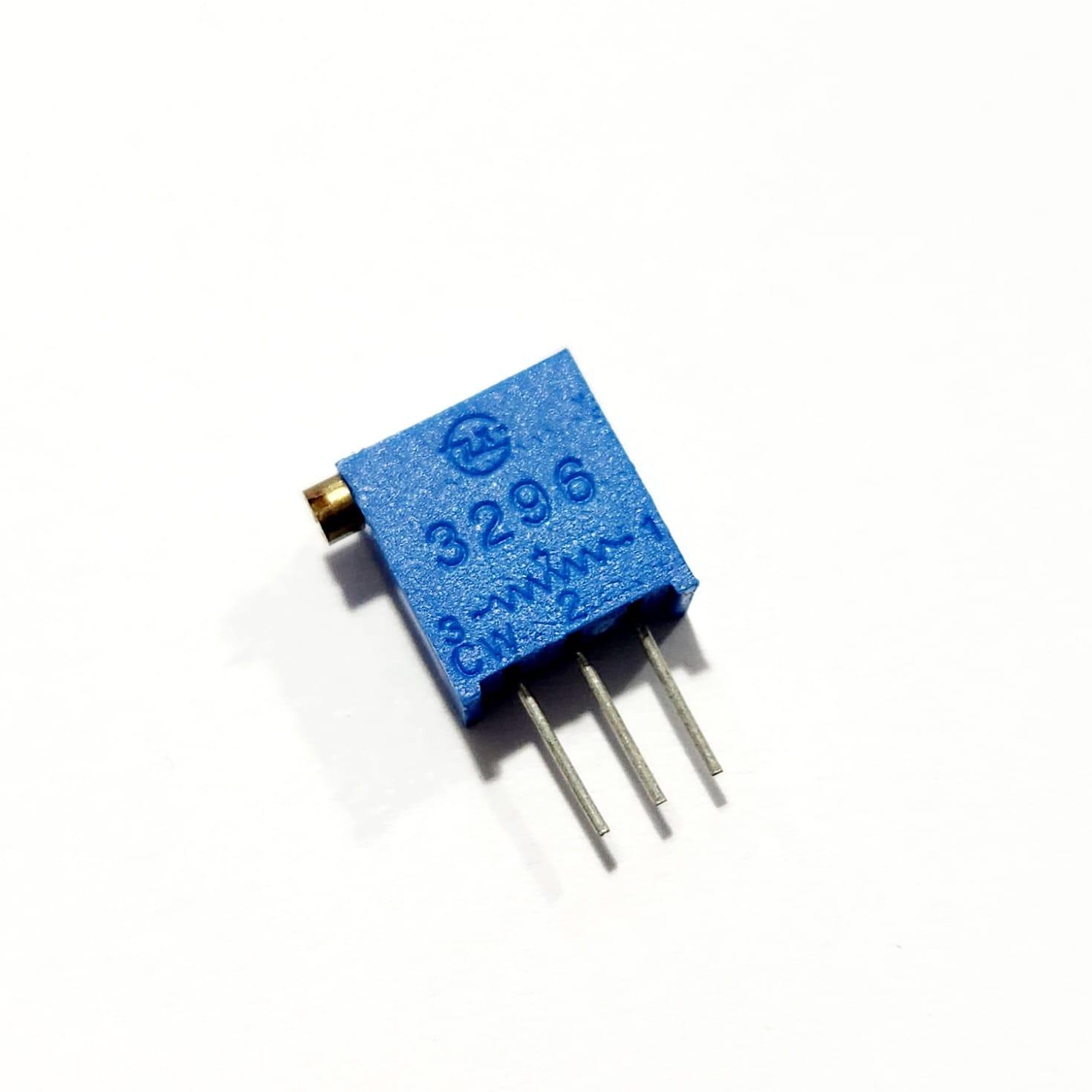
🔧 Trimmer / Preset — ปรับตั้งครั้งเดียว
🔧 Trimmer / Preset — Set-and-forget
VR ขนาดจิ๋วบนแผ่นวงจร ปรับด้วยไขควงเล็ก ตั้งค่าครั้งเดียวตอน calibrate แล้วไม่แตะอีก
A tiny board-mounted variable resistor, adjusted with a small screwdriver — set once during calibration, then left alone.
ใช้งาน: ปรับ contrast จอ LCD, ตั้ง offset/bias, คาลิเบรตเซ็นเซอร์ Marking: 3-digit code, e.g. 103 = 10kΩ, 502 = 5kΩ
Used in: LCD contrast, offset/bias trimming, sensor calibration
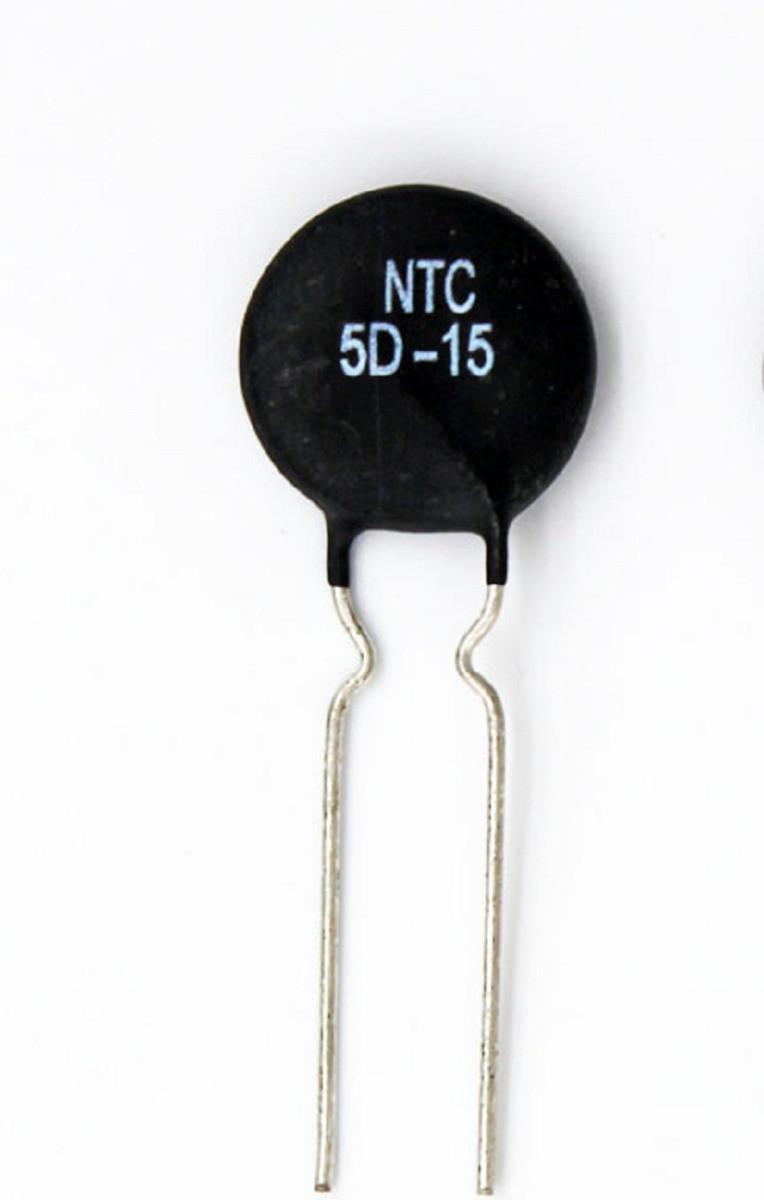
🌡 Thermistor — NTC
NTC = Negative Temperature Coefficient
อุณหภูมิสูงขึ้น → R ลดลง
NTC = Negative Temperature Coefficient
Temperature rises → R decreases
ใช้งาน: เซ็นเซอร์วัดอุณหภูมิ (DS18B20, NTC 10k), ป้องกัน inrush current ในแหล่งจ่ายไฟ Example: 25°C = 10kΩ → 50°C ≈ 3kΩ → 100°C ≈ 0.5kΩ
Used in: Temperature sensors, inrush current protection in power supplies
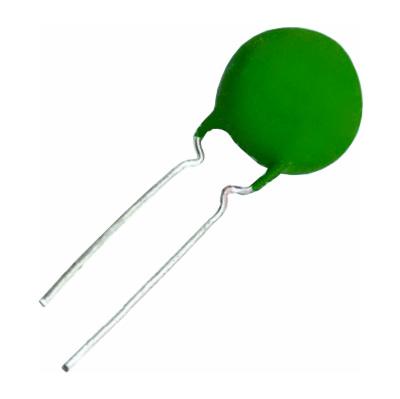
🌡 Thermistor — PTC
PTC = Positive Temperature Coefficient
อุณหภูมิสูงขึ้น → R เพิ่มขึ้น
PTC = Positive Temperature Coefficient
Temperature rises → R increases
ใช้งาน: ฟิวส์รีเซตได้อัตโนมัติ (Polyfuse), ป้องกันวงจรร้อนเกิน Principle: When overheated → R spikes → current drops → circuit cools → R returns to normal
Used in: Self-resetting fuses (Polyfuse), overcurrent protection
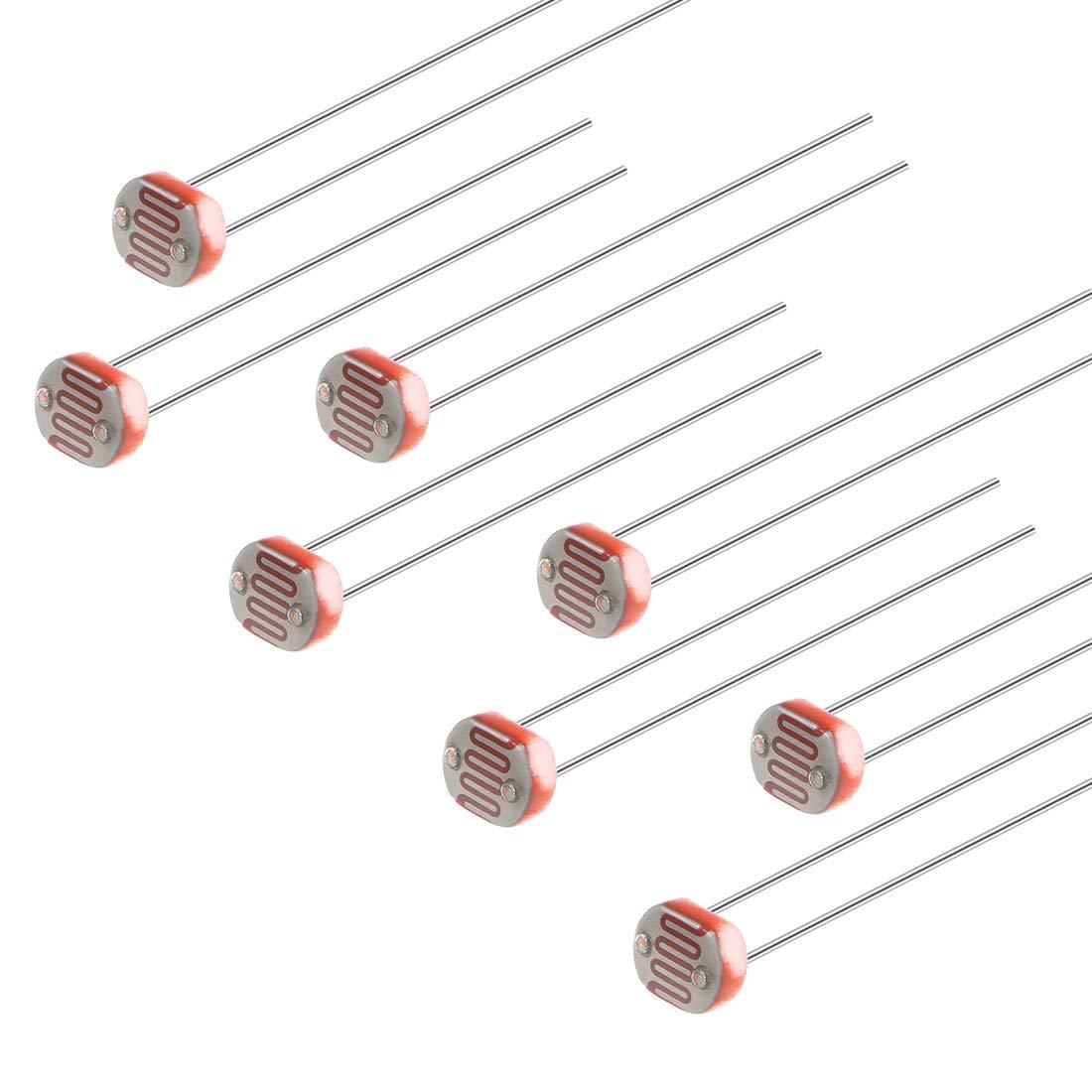
☀️ LDR (Light Dependent Resistor)
แสงมาก → R ลดลง | แสงน้อย / มืด → R เพิ่มขึ้น
Bright light → R decreases | Darkness → R increases
ใช้งาน: ไฟถนนอัตโนมัติ (เปิดเมื่อมืด), เซ็นเซอร์แสงใน Arduino, กล้องถ่ายรูป Example: Sunlight ≈ 1kΩ → Indoors ≈ 10kΩ → Complete darkness ≈ 1MΩ
Used in: Automatic street lights, Arduino light sensors, camera exposure meters
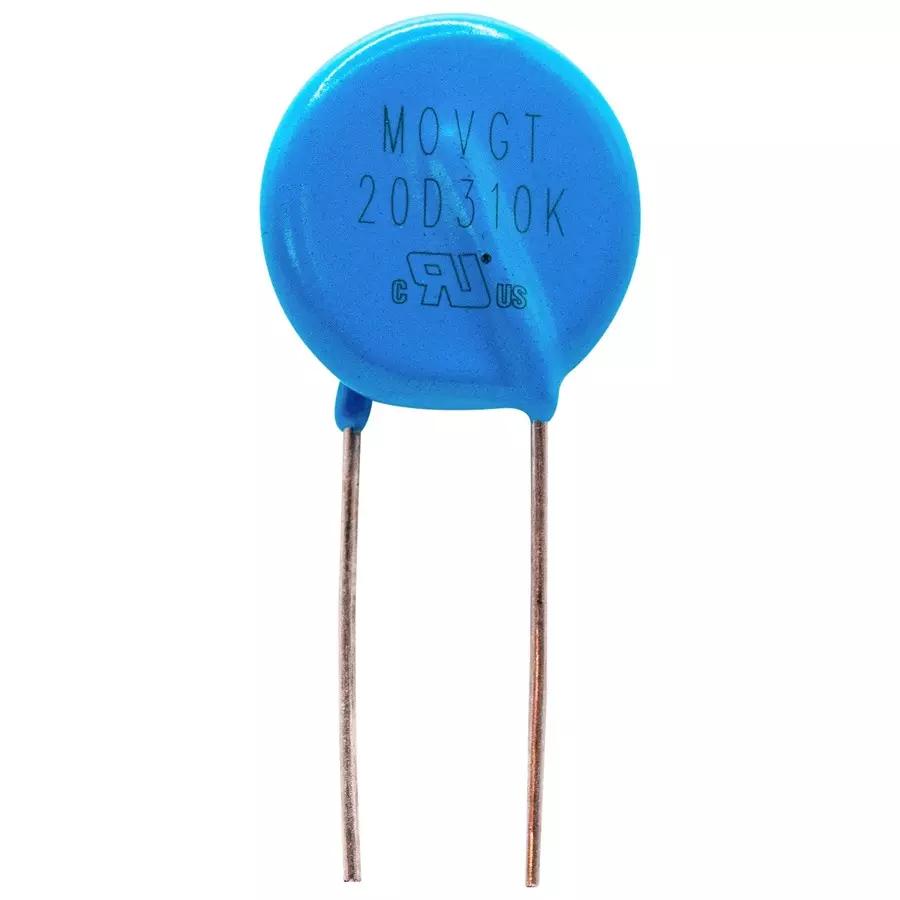
⚡ Varistor (VDR)
VDR = Voltage Dependent Resistor
ปกติ R สูงมาก → แรงดันเกิน threshold → R ลดฮวบ ดูดซับพลังงาน
VDR = Voltage Dependent Resistor
Normally very high R → voltage exceeds threshold → R drops sharply, absorbing energy
ใช้งาน: ป้องกัน voltage spike จากฟ้าผ่าหรือสวิตช์ตัด, ใน surge protector และ power supply Example: Normal R ≈ ∞ → surge exceeds 270V → R drops → absorbs surge energy instead of the circuit
Used in: Lightning/switch transient protection, surge protectors, power supply input stages
| สีColor | แถบ 1 (เลขหน้า)Band 1 (1st digit) | แถบ 2 (เลขหลัง)Band 2 (2nd digit) | แถบ 3 (ตัวคูณ)Band 3 (Multiplier) | แถบ 4 (ค่าผิดพลาด)Band 4 (Tolerance) |
|---|---|---|---|---|
| ดำBlack | 0 | 0 | ×1 | — |
| น้ำตาลBrown | 1 | 1 | ×10 | ±1% |
| แดงRed | 2 | 2 | ×100 | ±2% |
| ส้มOrange | 3 | 3 | ×1,000 | — |
| เหลืองYellow | 4 | 4 | ×10,000 | — |
| เขียวGreen | 5 | 5 | ×100,000 | ±0.5% |
| น้ำเงินBlue | 6 | 6 | ×1,000,000 | ±0.25% |
| ม่วงViolet | 7 | 7 | — | ±0.1% |
| เทาGray | 8 | 8 | — | — |
| ขาวWhite | 9 | 9 | — | — |
| ทองGold | — | — | ×0.1 | ±5% |
| เงินSilver | — | — | ×0.01 | ±10% |
ตัวอย่าง: น้ำตาล-ดำ-แดง-ทอง = (1×10+0)×100 = 1,000 Ω = 1 kΩ ±5% How to read 4-band: Value = (Band1 × 10 + Band2) × Multiplier ± Tolerance
Example: Brown-Black-Red-Gold = (1×10+0)×100 = 1,000 Ω = 1 kΩ ±5%
แถบที่ 1-3 = ตัวเลข 3 หลัก, แถบที่ 4 = ตัวคูณ, แถบที่ 5 = ค่าผิดพลาด (นิยมใช้กับตัวต้านทานความเที่ยงสูง ±1% และ ±2%)
Bands 1–3 = 3 significant digits, Band 4 = multiplier, Band 5 = tolerance (used with precision resistors ±1% and ±2%)
| สีColor | แถบ 1 (เลขที่ 1)Band 1 (1st digit) | แถบ 2 (เลขที่ 2)Band 2 (2nd digit) | แถบ 3 (เลขที่ 3)Band 3 (3rd digit) | แถบ 4 (ตัวคูณ)Band 4 (Multiplier) | แถบ 5 (ค่าผิดพลาด)Band 5 (Tolerance) |
|---|---|---|---|---|---|
| ดำBlack | 0 | 0 | 0 | ×1 | — |
| น้ำตาลBrown | 1 | 1 | 1 | ×10 | ±1% |
| แดงRed | 2 | 2 | 2 | ×100 | ±2% |
| ส้มOrange | 3 | 3 | 3 | ×1,000 | — |
| เหลืองYellow | 4 | 4 | 4 | ×10,000 | — |
| เขียวGreen | 5 | 5 | 5 | ×100,000 | ±0.5% |
| น้ำเงินBlue | 6 | 6 | 6 | ×1,000,000 | ±0.25% |
| ม่วงViolet | 7 | 7 | 7 | — | ±0.1% |
| เทาGray | 8 | 8 | 8 | — | — |
| ขาวWhite | 9 | 9 | 9 | — | — |
| ทองGold | — | — | — | ×0.1 | ±5% |
| เงินSilver | — | — | — | ×0.01 | ±10% |
ตัวอย่าง: แดง-แดง-แดง-น้ำตาล-น้ำตาล = (222)×10 = 2,220 Ω = 2.22 kΩ ±1% How to read 5-band: Value = (Band1×100 + Band2×10 + Band3) × Multiplier ± Tolerance
Example: Red-Red-Red-Brown-Brown = (222)×10 = 2,220 Ω = 2.22 kΩ ±1%
วงจรอนุกรม (Series)
Series Circuit
- กระแสเท่ากันทุกตัว: IT = I₁ = I₂ = I₃
- แรงดันรวม: ET = E₁ + E₂ + E₃
- ความต้านทานรวมมากกว่าทุกตัว
- Current is equal in all: IT = I₁ = I₂ = I₃
- Total voltage: ET = E₁ + E₂ + E₃
- Total resistance is greater than any single resistor
วงจรขนาน (Parallel)
Parallel Circuit
- แรงดันเท่ากันทุกตัว: ET = E₁ = E₂ = E₃
- กระแสรวม: IT = I₁ + I₂ + I₃
- ความต้านทานรวมน้อยกว่าทุกตัว
- Voltage is equal across all: ET = E₁ = E₂ = E₃
- Total current: IT = I₁ + I₂ + I₃
- Total resistance is less than any single resistor
- R₁ และ R₂ ต่ออนุกรมกัน กระแสเดียวกันไหลผ่านทั้งคู่
- Vout วัดคร่อม R₂ เท่านั้น
- ยิ่ง R₂ มาก → Vout ยิ่งสูง
- R₁ and R₂ are in series — same current flows through both
- Vout is measured across R₂ only
- Larger R₂ → higher Vout
Vout = 5 × 10/(10+10) = 2.5 V Example: Vin = 5 V, R₁ = 10 kΩ, R₂ = 10 kΩ
Vout = 5 × 10/(10+10) = 2.5 V
ใช้ทำอะไร?
Common uses
- ลดแรงดัน เช่น 5V → 2.5V ก่อนป้อนเข้า input ของไมโครคอนโทรลเลอร์
- อ่านค่าเซ็นเซอร์แบบ resistive เช่น LDR (แสง), NTC (อุณหภูมิ)
- สร้างจุดอ้างอิงแรงดัน (Reference voltage) ในวงจรขยาย
- Step down voltage, e.g. 5V → 2.5V before a microcontroller input
- Read resistive sensors such as LDR (light) or NTC thermistor (temperature)
- Set a reference voltage in amplifier circuits
• ใช้ได้ดีเฉพาะกับโหลดที่มี impedance สูง (กินกระแสน้อย) เท่านั้น
• ถ้าโหลดดูดกระแสมาก Vout จะต่ำกว่าที่คำนวณ เรียกว่า Loading Effect
• ถ้าต้องการจ่ายกระแสให้โหลดได้มาก ควรใช้ LDO Voltage Regulator แทน
• Works well only with high-impedance loads (low current draw)
• A heavy load pulls Vout below the calculated value — called Loading Effect
• For loads that need more current, use an LDO Voltage Regulator instead
ตัวต้านทานแต่ละตัวมีกำลังสูงสุดที่รับได้ ถ้ากำลังที่เกิดขึ้นจริงเกินค่านี้ ตัวต้านทานจะร้อนและไหม้
Each resistor has a maximum power rating. Exceeding it causes overheating and burnout.
| กำลังสูงสุดRating | ขนาดตัวถังPackage Size | การใช้งานทั่วไปTypical Use |
|---|---|---|
| 1/8 W | เล็กมากVery small | วงจรสัญญาณ, logic levelSignal circuits, logic level |
| 1/4 W | เล็ก (พบบ่อยที่สุด)Small (most common) | ทั่วไป, Arduino, breadboardGeneral use, Arduino, breadboard |
| 1/2 W | กลางMedium | วงจรกระแสปานกลางMedium-current circuits |
| 1 W | ใหญ่Large | วงจรกำลัง, LED driverPower circuits, LED driver |
| 2 W+ | ใหญ่มาก / WirewoundVery large / Wirewound | วงจรกำลังสูง, power supplyHigh-power circuits, power supply |
ตัวอย่าง: I = 20 mA, R = 330 Ω → P = (0.02)² × 330 = 0.132 W → ใช้ 1/2 W ขึ้นไป Safety rule: Always choose Rating ≥ 2 × Pcalculated
Example: I = 20 mA, R = 330 Ω → P = (0.02)² × 330 = 0.132 W → use ½ W or higher
ตัวต้านทานที่ขายในท้องตลาดไม่ได้มีค่าเลขกลมๆ เพราะถูกกำหนดโดยมาตรฐาน EIA E-series ที่แบ่งค่าในแต่ละทศวรรษ (decade) ให้มีระยะห่างใกล้เคียงกันในสเกล log
Resistors don't come in round numbers — they follow the EIA E-series standard, which spaces values evenly on a logarithmic scale within each decade.
E12 (12 ค่าต่อทศวรรษ, ±10%)(12 values/decade, ±10%)
คูณด้วย 10n ได้ทุกช่วง เช่น 1.0 Ω, 10 Ω, 100 Ω, 1 kΩ, 10 kΩ ...
Multiply by 10n for every decade: 1.0 Ω, 10 Ω, 100 Ω, 1 kΩ, 10 kΩ ...
E24 (24 ค่าต่อทศวรรษ, ±5%)(24 values/decade, ±5%)
ค่าละเอียดกว่า E12 เหมาะกับงานที่ต้องการความแม่นยำสูงขึ้น
Finer steps than E12 — used when greater precision is needed.